




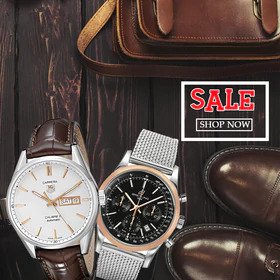

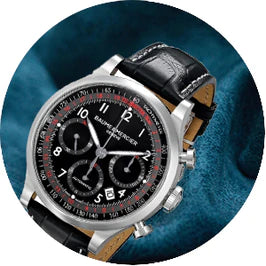



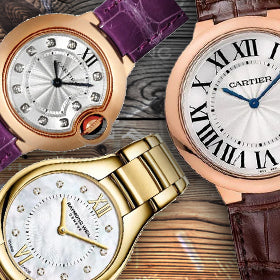


A watch is one of the few accessories you use every day, which means it naturally wears down over time. But knowing whether you need a watch replacement, a simple repair, or a full watch upgrade is not always obvious. Many people continue using a failing timepiece simply because they are unsure what step to take next.
If you are currently buying a watch or considering replacing your existing one, this guide will help you identify clear signals, know your options, and make a practical decision. Whether your watch is losing accuracy, showing wear, or no longer fits your lifestyle, recognizing the right moment to act can save you time and money.
Why Every Watch Eventually Needs Replacement or Upgrade
No watch lasts forever. Even high-quality watches require maintenance, and eventually, replacement or upgrading becomes necessary.
There are three main reasons why-
1. Wear and Tear Over Time
Daily use exposes your watch to scratches, moisture, dust, and impact. Over time, this affects both appearance and performance.
2. Technology and Movement Limitations
Older watches may lack modern features or improved movement accuracy. This is especially true if you are using entry-level quartz models.
3. Style and Lifestyle Changes
Your watch should match your current lifestyle. A watch that suited you years ago may no longer feel relevant today.
Understanding these factors helps you decide whether a watch replacement or a watch upgrade makes more sense.
7 Signs You Need a Watch Replacement

Sometimes, repairing a watch is no longer practical. Here are the most common signs that indicate it’s time for a full watch replacement.
1. Frequent Breakdowns
If your watch requires frequent service, it is a clear sign of declining reliability. Frequent repairs are much more expensive than replacing the watch.
2. Inaccurate Timekeeping
A watch that consistently loses or gains time is no longer dependable. This is especially frustrating for daily use and often indicates internal wear.
3. Visible Physical Damage
Cracked glass, worn straps, and damaged cases reduce both functionality and appearance. In many cases, replacing the watch is more cost-effective than fixing multiple issues.
4. Outdated Design
Style matters. If your watch looks outdated or no longer suits your wardrobe, a replacement may be the better option.
5. Poor Battery Performance
Quartz watches that require frequent battery changes may indicate deeper issues. This can make ongoing use inconvenient.
6. Repair Costs Exceed Value
When repair costs approach or exceed the watch's value, replacement becomes the logical choice.
7. Low Build Quality
Entry-level watches often use materials that do not age well. Upgrading to high-quality watches can improve both durability and the overall experience.
Recognizing these signs early helps you avoid unnecessary spending on repeated watch service.
When a Watch Upgrade Makes More Sense Than Replacement

Not every situation calls for a simple replacement. Sometimes, a watch upgrade is the better decision.
You’ve Outgrown Your Current Watch
As your lifestyle evolves, your watch should reflect that. Moving from a basic model to a high-quality watch can improve both style and functionality.
Career or Lifestyle Milestones
Promotions, weddings, or major life events are common reasons for upgrading. A better watch can reflect your progress and personal standards.
Desire for Better Craftsmanship
Upgrading gives you access to improved materials, a refined design, and better movements.
Transition to Mechanical Watches
Many buyers move from quartz to automatic watches as they learn more about different watch movements. This is a common upgrade path.
A watch upgrade is less about fixing a problem and more about improving your overall experience.
Watch Service vs Replacement vs Upgrade- What Should You Choose?
Choosing between repair, replacement, and upgrading depends on your situation.
|
Scenario |
Best Option |
|
Minor issue (battery, strap) |
Watch service |
|
Major internal damage |
Watch replacement |
|
Lifestyle change or milestone |
Watch upgrade |
|
Outdated design but functional |
Upgrade |
|
Frequent repairs needed |
Replacement |
A simple watch service works for minor issues. However, when problems become frequent or costly, moving toward replacement or upgrading becomes more practical.
Types of Watches You Should Consider Before Buying
Before making a decision, it’s important to know the types of watches available.
Dress Watches
Minimal designs suitable for formal occasions. Ideal for office or event wear.
Sports Watches
Built for durability and functionality. Includes dive watches and chronographs.
Luxury Watches
Focus on craftsmanship, materials, and brand reputation. Often part of long-term collections.
Smart vs Traditional Watches
- Smart watches- Feature-driven, require charging
- Traditional watches- Long-lasting, mechanical or quartz
When exploring watch types, consider your lifestyle. Watches for men often feature larger dials and bolder designs, while those for women typically focus on slimmer, more refined styling.
Different Watch Movements Explained
Understanding different watch movements is essential when upgrading or replacing your watch.
Quartz Movement
- Battery-powered
- Highly accurate
- Low maintenance
Automatic Movement
- Self-winding through wrist motion
- No battery required
- Preferred by enthusiasts
Mechanical Movement
- Manually wound
- Traditional craftsmanship
- Requires regular care
The choice between these watch movement types depends on your preference for convenience or craftsmanship.
Best Watch Brands to Consider When Upgrading
Choosing the right brand is critical when moving toward high-quality watches.
Entry-Level Luxury Brands
- Offer strong value
- Good starting point for upgrades
Mid-Tier Brands
- Better materials and movements
- Balanced pricing
Premium Brands
- Strong heritage
- Higher resale value
When evaluating watch brands, focus on reputation, durability, and long-term value. Some of the best watch brands for men and good watch brands for women offer versatile collections that suit both casual and formal settings.
Buying Watches- How to Choose the Right Upgrade

If you are buying watches, use this checklist to guide your decision. A good watch should match your budget, lifestyle, taste, and long-term expectations. Instead of choosing only by looks, consider how often you will wear it, how much care it needs, and whether it offers lasting value.
1. Set a Budget
Define how much you are willing to spend before exploring options. This helps you narrow your choices and avoid overspending on features you may not need. Your budget should also account for future costs such as servicing, strap replacement, or insurance for higher-value pieces.
2. Identify Purpose
Daily wear, formal use, or sports use will influence your choice. A dress watch works well for business and formal outfits, while a sports watch is better for active use. If you want one watch for everything, choose a versatile design with a durable case and comfortable strap.
3. Choose the Right Movement
Quartz is ideal if you want accuracy, convenience, and low maintenance. Automatic watches are better if you value mechanical craftsmanship and long-term ownership appeal. Manual mechanical watches offer a traditional feel but require regular winding. Your choice should match how involved you want to be with the watch.
4. Evaluate Brand Reputation
Stick to reliable watch brands with consistent quality, reliable service, and strong resale value. A respected brand usually offers better confidence, especially when buying pre-owned. Look for brands known for strong movements, durable materials, and steady buyer demand rather than choosing based only on popularity.
5. Check Condition (For Pre-Owned)
If buying pre-owned, inspect the condition, authenticity, and documentation. Check for scratches, dents, replaced parts, bracelet wear, service history, box, papers, and seller credibility. Clear photos and honest condition notes matter. Platforms like Bezali make it easier to browse high-quality watches across different price ranges, especially for buyers looking to upgrade without paying full retail.
Frequently Asked Questions
1. How do I know if I need a watch replacement or just a repair?
If the issue is minor, such as a battery change, strap replacement, or crystal repair, servicing may be enough. If the watch keeps failing, loses accuracy often, or repair costs exceed its value, replacement is usually smarter.
2. Is it better to upgrade a watch or buy a new one?
A watch upgrade makes sense when you want better materials, stronger movement quality, or a more refined design. Buying a new replacement is better when your current watch is damaged, unreliable, or no longer worth repairing.
3. What are the most reliable watch brands today?
Reliable watch brands usually include Rolex, Omega, Tudor, Longines, Seiko, Grand Seiko, Cartier, and Breitling. The right choice depends on budget, style, and purpose, but these brands are known for durability, accuracy, and long-term buyer trust.
4. What type of watch is best for everyday use?
For everyday use, choose a durable automatic or quartz watch with a comfortable strap, readable dial, and solid water resistance. Sports watches, field watches, and simple stainless steel models usually work well for daily wear.
5. Are automatic watches better than quartz?
Automatic watches are valued for craftsmanship, mechanical movement, and collector appeal. Quartz watches are usually more accurate, affordable, and easier to maintain. Neither is always better. The right choice depends on whether you prefer tradition or convenience.
6. How often should a watch be serviced?
Mechanical and automatic watches are usually serviced every 3 to 5 years, depending on brand, usage, and condition. Quartz watches need less frequent service, though batteries, seals, and straps should be checked regularly to maintain performance.
7. What should I look for when buying watches online?
Check the seller’s reputation, product photos, authenticity details, condition notes, return policy, and whether the watch includes a box, papers, or service history. For pre-owned watches, clear documentation and trusted sourcing are especially important before purchase.
8. Is it worth investing in high-quality watches?
Yes, high-quality watches can be worth it because they usually last longer, feel better on the wrist, and retain more value than cheaper alternatives. A well-chosen watch can be the perfect daily accessory and a long-term asset.
Final Thoughts
Knowing when to choose watch replacement, repair, or a full watch upgrade comes down to understanding your current watch and your future needs. While minor issues can be fixed through watch service, repeated problems or outdated design often signal it’s time to move on.
For many buyers, upgrading to high-quality watches is the most practical long-term decision. It not only improves reliability but also improves everyday experience.
If you are already buying watches or considering your next step, focus on durability, movement, and brand reputation. A well-chosen watch is not just a replacement - it is an upgrade that lasts for years.


Leave a comment (all fields required)